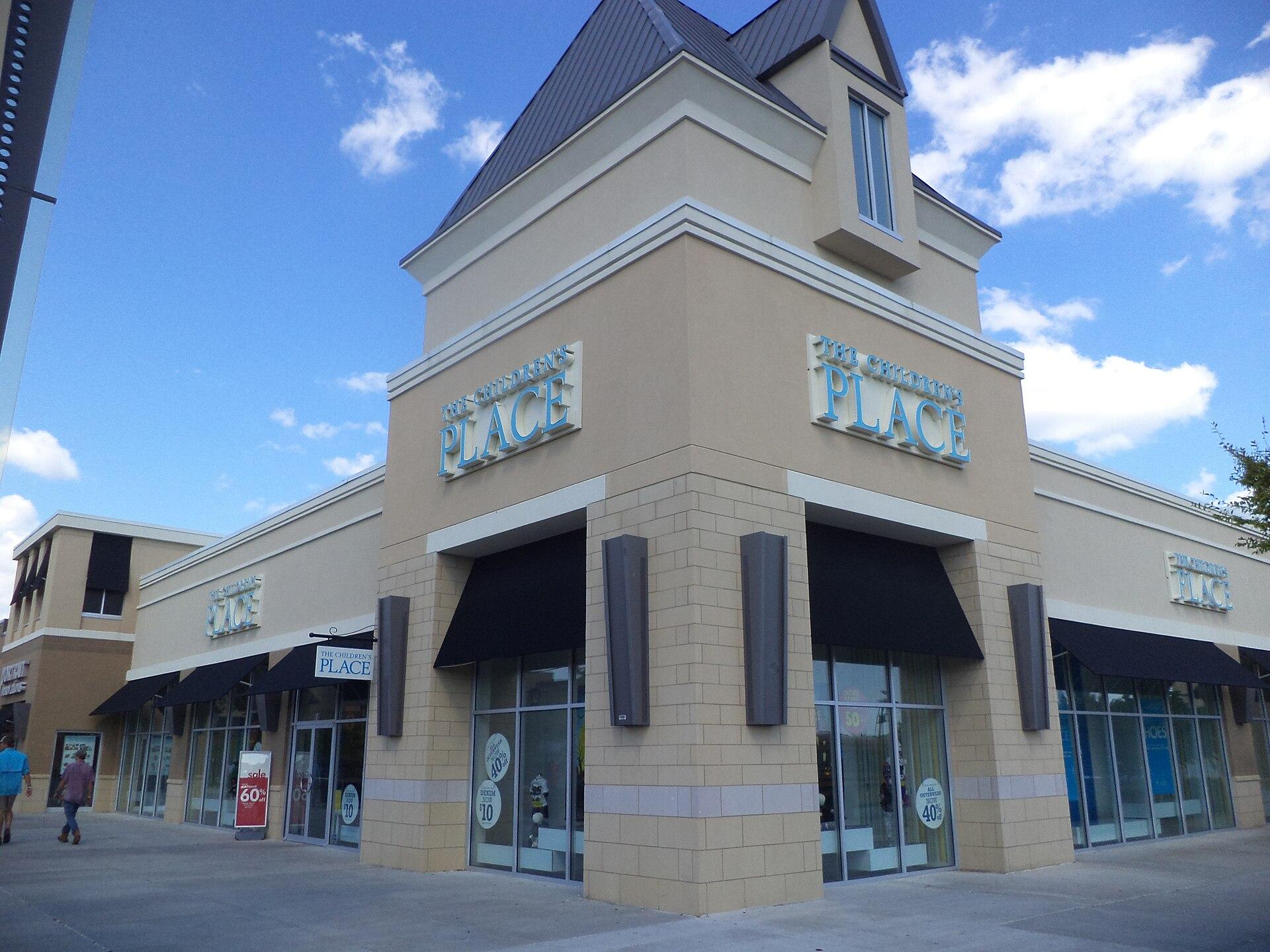
According to a Form 8-K filed with the SEC, The Children’s Place and some subsidiaries filed voluntary Chapter 11 petitions on November 8 in the federal bankruptcy court in New Jersey. The debtors remain in possession of their assets and are operating under court supervision; no trustee or receiver has been appointed, according to the filing. The company asked for joint administration of the cases. The company’s stores and online shops remain open for customers. Subject to court approval, the company plans to keep selling inventory across its fleet, including liquidation and store-closing sales under a consulting agreement.
The company intends to market and sell nearly all its assets, including operations and intellectual property, through a competitive process under section 363 of the Bankruptcy Code. The goal is to continue the business as a going concern; if the court approves the process, bids would be due December 9 and the company expects to complete the sale by the end of December. The company intends to file a motion for approval of the sale process. It also expects to seek debtor-in-possession financing or authorization to use cash collateral, subject to definitive documentation and court approval, and said there is no assurance the financing will close.
To support inventory sales, The Children’s Place on November 3 entered a consulting agreement with Tiger Capital Group, SB360 Capital Partners and GA Retail Solutions. The agreement runs from November 6 through February 28 and may end earlier or be extended; the consultant will handle covered merchandise and furniture, fixtures and equipment at U.S. and Canadian stores, distribution centers, warehouses, and the company’s e-commerce site. For covered merchandise sales, the consultant receives a base fee of 2.5% of gross proceeds, and for furniture and equipment sales, a commission of 15% of gross proceeds, with adjustments for taxes. The company reimburses reasonable out-of-pocket expenses and paid a $3,140,000 deposit upon signing, with unused amounts refundable in final reconciliation. The consultant expense budget is $34,132,000, and unapproved budget overruns are not reimbursed. With the company’s written approval and under the sale rules, the consultant can bring in extra goods, and from those approved extra goods the company earns 6.5% of the sale proceeds.
With three days’ notice, the company can pull merchandise or furniture and equipment out of the agreement. Withdrawal of a location requires lender consent or a specified good-faith determination by the board of directors about fiduciary duties after consultation with outside counsel. Unsold goods, intellectual property, receivables, and real estate stay with the company. The company retains the right to sell through Amazon; after the Chapter 11 filing, that right requires either lender consent or a good-faith board determination concerning fiduciary duties after consulting outside counsel. The company must seek bankruptcy court approval to assume the consulting agreement and continue store-closing sales, and it will seek recognition of that order from the Ontario Superior Court of Justice.
The filing states that the Chapter 11 filing triggered defaults and acceleration under the company’s debt instruments, with approximately $394 million in aggregate outstanding obligations as of the petition date, plus accrued interest and fees. The instruments include an amended and restated credit agreement with Wells Fargo as agent, a credit agreement with Crystal Financial, doing business as SLR Credit Solutions, as term agent, and unsecured subordinated promissory notes with Mithaq Capital SPC. Creditors cannot enforce those rights because of the automatic stay, but on November 7 the term agent sent a letter saying it was accelerating the term loan because of claimed defaults. The company says that acceleration is not valid or effective. The filing says the acceleration may cause cross-defaults under other material obligations.
Kristin Clifford became chief operating officer for global sourcing and product operations on November 4 and is the company’s principal operating officer. She rejoined the company in January 2025 and was most recently senior vice president, head of global sourcing and product operations. Her compensation did not change in connection with the appointment.
Sources
- https://www.sec.gov/Archives/edgar/data/1041859/000110465926124175/tm2629319d1_8k.htm, Childrens Place, Inc. (SEC filing)
To report an error in this article, write to corrections@venturistnews.com. Corrections log.
Sam Okafor covers capital markets, public listings and corporate finance for Venturist. He writes from filings, earnings releases and published reporting.