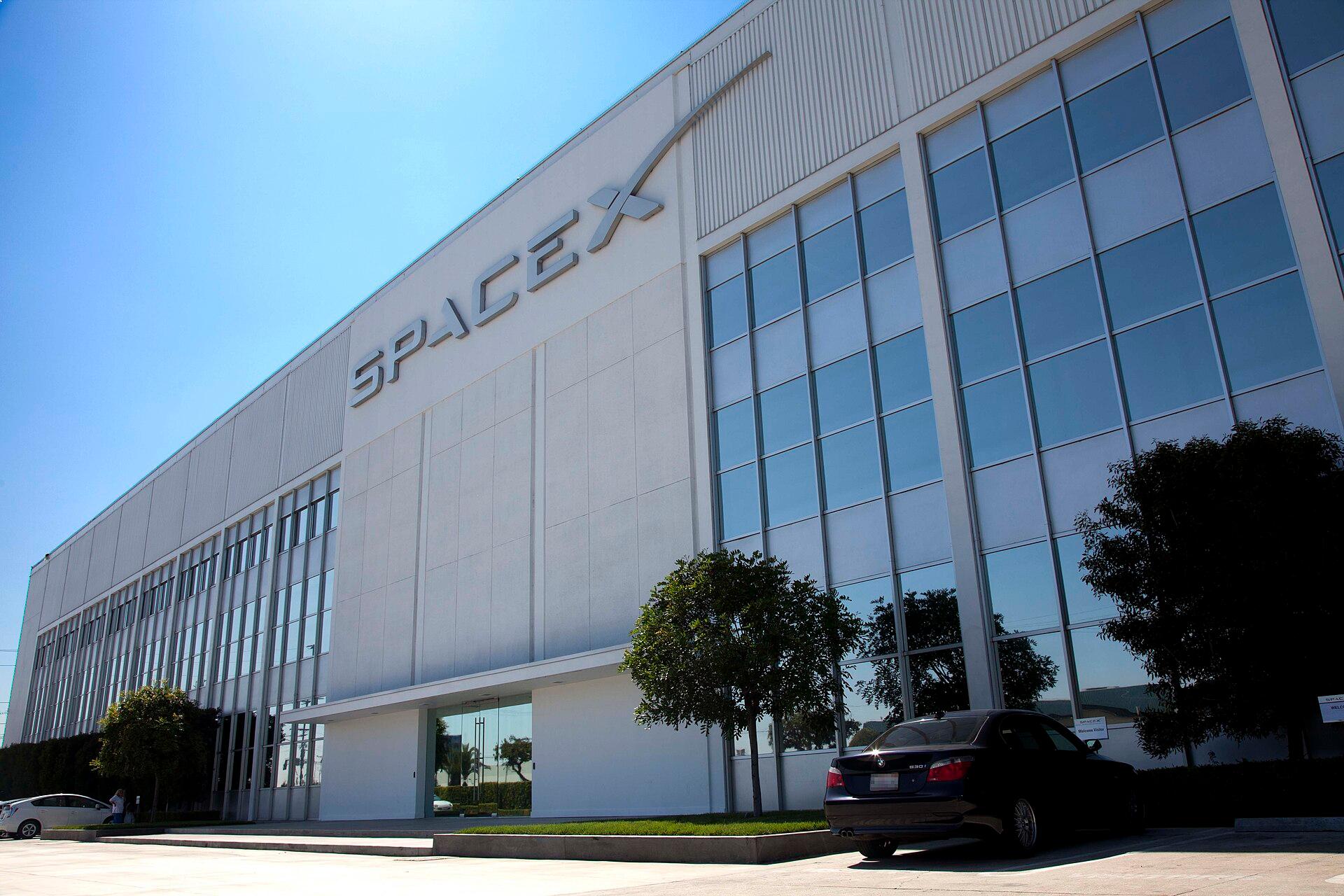
SpaceX cannot force eight former employees to arbitrate their claim that they were fired for reporting sexual harassment, a divided panel of the U.S. Court of Appeals for the Ninth Circuit held on Nov. 10, HR Dive reported on Monday.
The former workers alleged that SpaceX founder Elon Musk posted sexually explicit comments on Twitter, now X, that normalized and encouraged harassment. The plaintiffs said the posts were shared widely among employees and "permeated" the workplace, according to HR Dive. They wrote a letter to management arguing that Musk's posts amounted to sexual harassment and circulated it among colleagues. SpaceX fired them after identifying them as the letter's authors and senders, according to the plaintiffs.
The employees sued in California court bringing state law claims that included retaliation, discrimination, failure to prevent harassment and a hostile work environment. SpaceX moved the case to federal district court and asked the judge to compel arbitration under the Federal Arbitration Act, relying on agreements it said the employees signed. The district court denied the request, and the Ninth Circuit affirmed, according to The National Law Review.
The dispute turns on the Ending Forced Arbitration of Sexual Assault and Sexual Harassment Act, which took effect in March 2022. The law lets a person alleging a sexual harassment dispute or sexual assault dispute choose to pursue the matter in court despite an otherwise valid arbitration agreement. It defines a sexual harassment dispute as "a dispute relating to conduct that is alleged to constitute sexual harassment under applicable Federal, Tribal, or State law."
The National Law Review's analysis said the court held that the law applies whenever a complaint describes conduct that is asserted to constitute sexual harassment, not only when the claim would survive a motion to dismiss. The panel also found that the employees' retaliation allegations were sufficiently connected to the harassment complaint because the workers said they were fired for opposing what they believed was sexual harassment.
The court further reaffirmed that when the EFAA applies, it applies to the employee's entire case, not only the harassment-specific claim, citing its earlier decision in Ding v. Structure Therapeutics, Inc.
SpaceX had argued that the law only exempts sexual harassment claims that would pass a motion-to-dismiss analysis, including a showing that Musk's posts were severe or pervasive enough to create a sexually hostile work environment. The Ninth Circuit rejected that standard, saying the EFAA can be invoked without meeting federal pleading standards for a harassment claim.
For employers in California, Washington, Oregon, Arizona, Nevada, Alaska, Hawaii, Idaho and Montana, the ruling means employees face a relatively low bar to keep harassment-related disputes in public court, and retaliation claims tied to complaints about harassment may be enough to block arbitration, the analysis said.
The decision follows other broad readings of the law. In August, another 2-1 Ninth Circuit panel held that the EFAA lets plaintiffs avoid arbitration for sex-based harassment claims even if a plaintiff first discovers during the arbitration that the alleged misconduct was sexual, HR Dive reported. Last year, a federal district court found that a former worker who said she was a domestic violence victim and was fired after requesting an accommodation could sue for sex discrimination, because her claim involved a sexual assault. The parties settled that claim in September.
Sources: HR Dive, The National Law Review
To report an error in this article, write to corrections@venturistnews.com. Corrections log.
Inès Moreau covers how companies are run and how people work for Venturist. She writes from company announcements, surveys and published reporting.