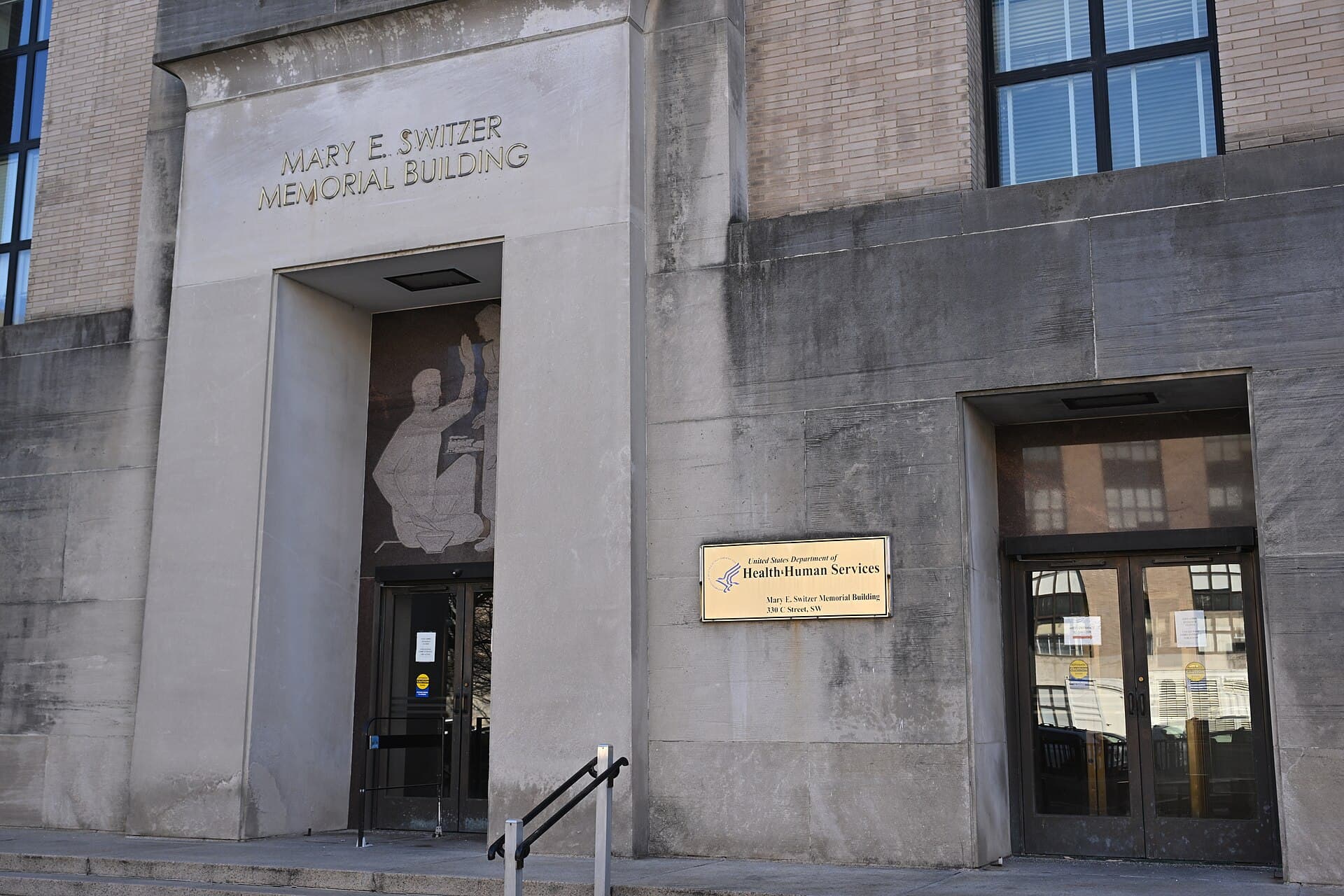
The fight over federal telework is now being decided in two places: on Capitol Hill, where a House bill would write a standard approval process into law, and at the Federal Labor Relations Authority, which has ruled that the Department of Health and Human Services broke its union contract when it ended telework. For public-sector managers and unions, the FLRA decision tests how far agency return-to-office orders can go before they collide with existing bargaining agreements.
How the rules changed
In January 2025, President Donald Trump ordered most federal employees back to the office full time. According to Office of Personnel Management data, telework and remote work hours fell by 75 percent across the federal workforce. Some employees then sought accommodations to telework because of disabilities or medical conditions. Federal News Network reported that employees accused agencies of slow-rolling or systematically denying those requests, and two employees with disabilities sued the Justice Department over its return-to-office orders.
Unions challenged the changes through arbitration and grievance proceedings. Federal News Network said arbitrators ruled for unions in telework cases at agencies including the IRS, Agriculture, Housing and Urban Development, Social Security Administration, EPA and the Forest Service. Many agencies appealed those decisions to the FLRA. AFGE said on October 9 that it has filed more than a dozen federal lawsuits against administration actions and secured multiple preliminary injunctions.
The House bill and the HHS ruling
Rep. Suhas Subramanyam introduced the Federal Telework Protection Act, according to Federal News Network. Under the bill, employees would send requests to their immediate supervisor, who would weigh job duties, caregiving needs, disabilities, medical conditions and commuting time. If no decision arrives within 90 days, the request takes effect automatically until a final decision is issued. Supervisors may grant 10 to 15 days of emergency telework while an urgent medical request is pending. Agencies would have to appoint telework managing officers, and employees could appeal a denial. FEDweek reported the measure is HR-10,713.
Doreen Greenwald, national president of the National Treasury Employees Union, said telework is "a proven and necessary tool" and that the administration's approach "has disrupted successful telework programs". Federal News Network noted that with limited time left in session, it is unclear how much traction the bill will gain.
On October 22, FEDweek reported that the FLRA had found HHS violated its contract with NTEU over telework cancellations. The FLRA rejected the department's arguments and said 22 of the 29 footnotes and 35 of the 42 legal or record citations in HHS's brief were "fictitious, erroneous, or irrelevant." It said the errors suggested the department might have drafted its brief with a generative AI tool. The FLRA cautioned that parties should verify AI-generated material because of significant risks of error.
The FLRA upheld arbitrator Michael Falvo's January 2026 decision. Falvo determined that HHS had violated labor law by ending telework and remote work without bargaining, because the collective bargaining agreement generally allows cancellation only for cause, such as an emergency or misconduct. The FLRA said the return-to-office mandate must be "implemented consistent with applicable law".
NTEU called the FLRA decision a "big win for telework rights" but said HHS employees are unlikely to see immediate changes because the department has until December 21 to challenge the decision. Arbitrators' orders in these cases had already been stayed while agencies appealed to the FLRA.
Sources
- House bill seeks to standardize federal telework request process, Federal News Network
- Summary of AFGE Lawsuits against Trump & How Litigation Works, AFGE
- FLRA Sides with Union in Key Telework Case; Says Sloppy Legal Work by HHS Smells of AI, FEDweek
- FLRA Upholds Ruling Against HHS Telework Restrictions, Cites Errors in Agency’s Legal Brief — FEDmanager, FEDmanager
To report an error in this article, write to corrections@venturistnews.com. Corrections log.
Inès Moreau covers how companies are run and how people work for Venturist. She writes from company announcements, surveys and published reporting.