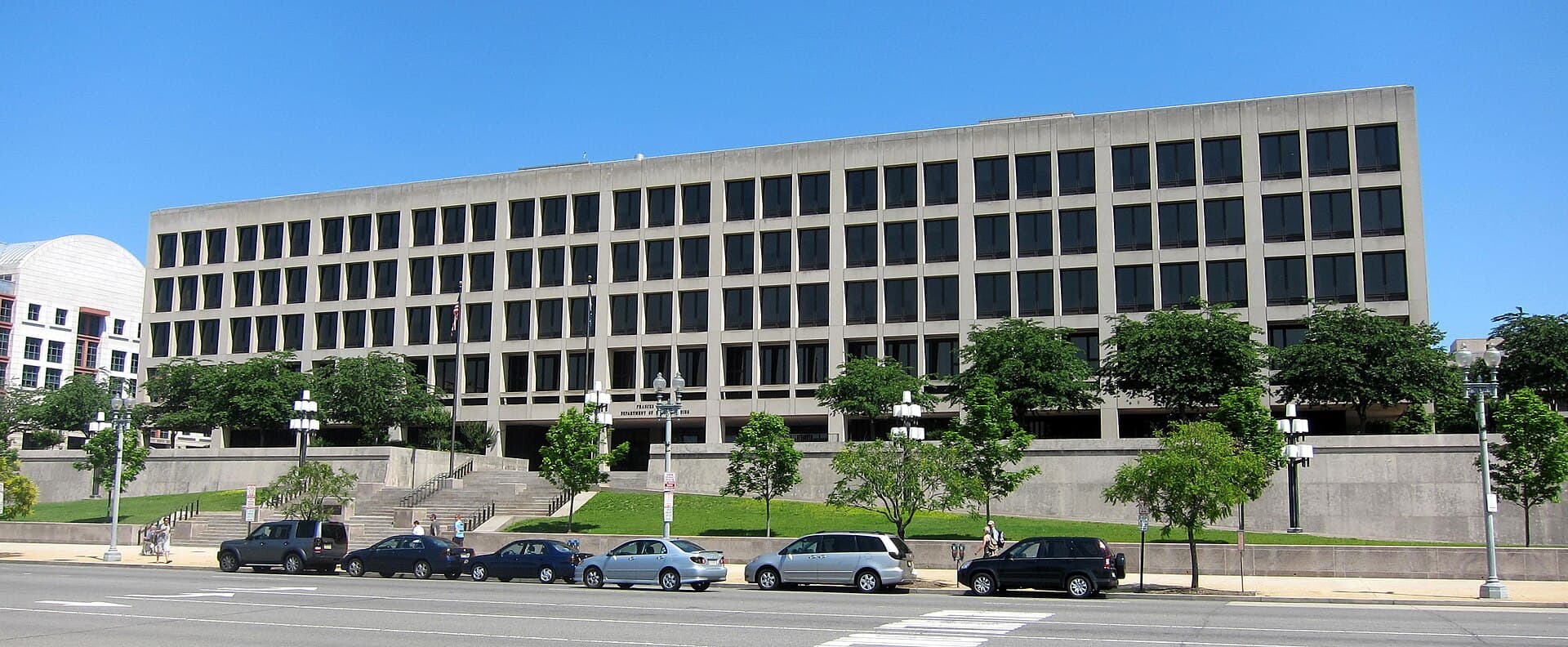
The Labor Department finalized a rule on Thursday requiring pharmacy benefit managers, along with affiliated brokers and consultants that serve large self-insured employer health plans, to report how they are paid. The department estimates the change will lower drug costs for employers and workers by $22 billion over a decade.
Before a plan signs or renews a contract, PBMs must supply initial disclosures, and then report compensation at least semiannually, with quarterly reports if the plan requests them. The required figures include manufacturer rebates, spread payments, pharmacy recoupments, price protection agreements and direct payments. Spread compensation is the gap between what the health plan pays the PBM and what the PBM reimburses the pharmacy. Employers may audit the disclosures annually and choose their own auditor. PBMs that fail to comply may face fines and could have their contracts invalidated.
In a press release, Trump administration officials said the rule will give employers information to negotiate contracts and lower drug costs. Secretary of Labor Keith Sonderling said in a statement: "This is a win for every American worker who has ever paid too much at the pharmacy counter". "For years, PBMs have operated in the shadows, pocketing hidden fees while workers and employers were left in the dark," Sonderling said.
Employer groups welcomed the rule on Thursday. The ERISA Industry Committee's president and chief executive, James Gelfand, said large employers often cannot see how much of their prescription spending stays with the PBM or its affiliates. "This rule changes that," Gelfand said. "Employers will be able to check the numbers, ask hard questions, and hold their vendors accountable to the contract".
The Pharmaceutical Care Management Association, the main PBM trade group, said the rule duplicates transparency requirements in the Consolidated Appropriations Act of 2026 and will burden smaller PBMs. Other PBM industry groups argued the department lacks legal authority to require the disclosures and that the reporting demands could push some mid-sized PBMs out of the market. David Marin, PCMA president and CEO, called the rule "a solution in search of a problem" and said full transparency is already federal law. The Labor Department acknowledged the overlap but said the two regimes complement each other because the new rule requires upfront disclosures while the 2026 law's reporting is retrospective. The department estimated PBMs will spend about $1 million in the first year and $300,000 in later years to comply.
The rule applies only to large self-insured group health plans and takes effect for plan years beginning on or after July 1, 2027. It also requires disclosure of manufacturer incentives that influence formulary placement, and in some cases PBMs must identify omitted alternatives and explain why they were excluded. A KFF report released last week found just under half of large employers report enough insight into pharmaceutical company payments to their health plan or PBM, while WTW expects drug costs to rise 11.5% in 2026, up from 9% the prior year.
Cigna's Express Scripts, CVS's Caremark and UnitedHealth's Optum Rx are the three largest PBMs and together handle about 80% of U.S. prescriptions. Greg Baker, CEO of transparent PBM AffirmedRx, said the new rule defines what disclosure means from a fiduciary standpoint and that the Consolidated Appropriations Act and the Labor Department rule work together.
Sources
To report an error in this article, write to corrections@venturistnews.com. Corrections log.
Inès Moreau covers how companies are run and how people work for Venturist. She writes from company announcements, surveys and published reporting.